
Glenville Resident Lookup Records
One person can appear in several Glenville record systems for different reasons. The Glenville BAS tax-bill search is most useful when the person may own a parcel. The state voter tool is limited to a matching registered voter. A court docket identifies a party in a case, while an obituary or probate file can support family-history work. Each result needs a second field before it can anchor a name check.
| Record | What It Can Confirm | Glenville Route | Access Limits |
|---|---|---|---|
| Assessment or tax roll | Owner of record, parcel situs, mailing address, assessment | Glenville BAS, Image Mate, or Assessor | Public parcel tools, with portal disclaimers |
| Recorded deed | Transfer parties, legal description, recording identifier | Schenectady County Clerk and SearchIQS | Account route or clerk help; coverage start not verified |
| Voter lookup | Registration, poll-site, and ballot-tracker status for a matching voter | New York voter lookup | Exact identity fields; protected registrations may not appear |
| Court docket | Party role, case type, filing date, and public disposition | NYSCEF, eCourts, or the clerk | Participation, sealing, and redaction limits apply |
| Historical sources | Death notice, family connection, former address, or school clue | Digital History Archive, SCPL, and Surrogate's Court | Historical evidence, not a current-address record |
Begin with the narrowest known fact, such as a full name plus a town address, record year, school, or parcel. A tax roll can connect an owner to a parcel, but it does not list every person at that location. For an older Glenville name, the Schenectady Digital History Archive obituary index can supply a newspaper source, date, page, verified maiden name, or note that helps separate people with similar names.
Glenville Resident Lookup Court Checks
Courts are split by subject and level. Glenville Town Court handles local criminal, traffic, civil, and ordinance matters, but research did not locate a Glenville-specific online name search. For participating state matters, use the NYSCEF case-search instructions and narrow a party-name search by county, case type, or filing-date range where those controls are available. A missing result can reflect a nonparticipating court, an archived file, a sealed matter, or a spelling difference.
The official NYSCEF case-search screen illustrates why a surname alone is too broad.
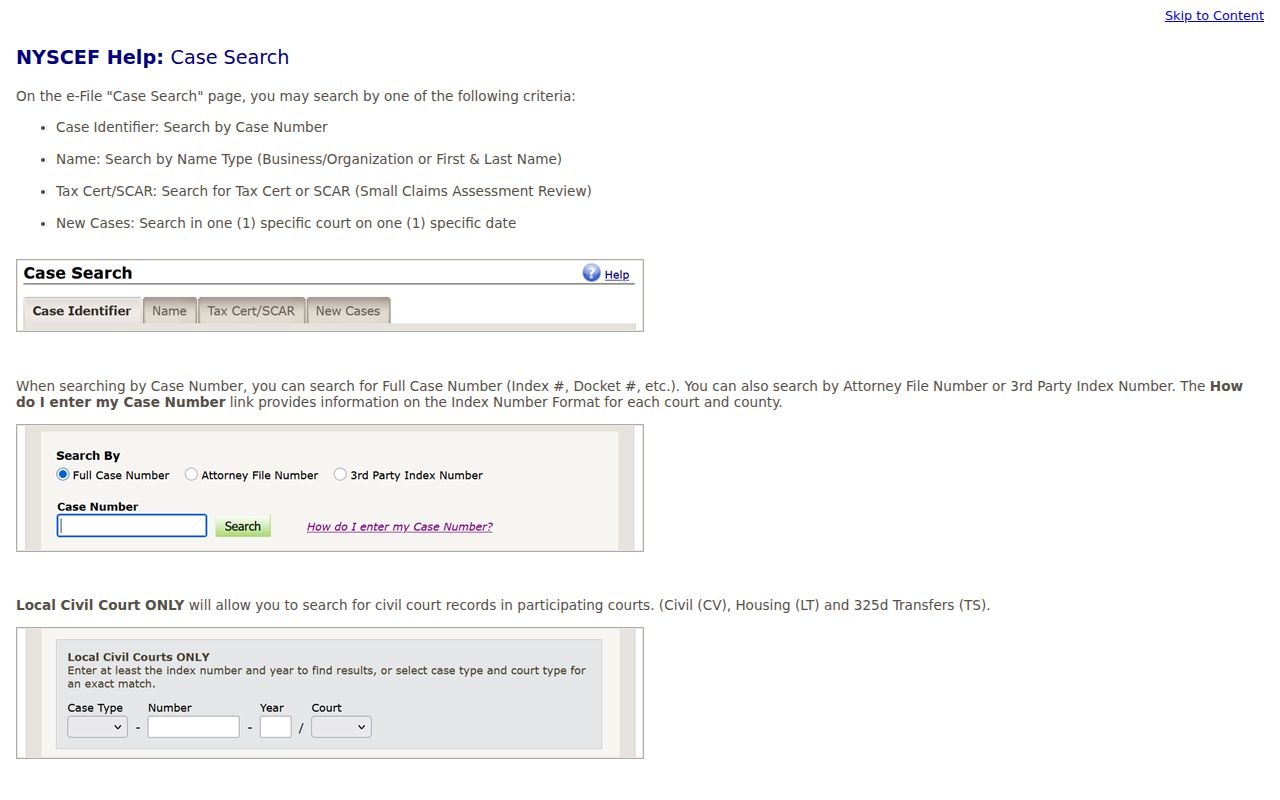
Use the visible party-name, county, case-type, and date controls only to focus a public court check, then read the case role and status before drawing any conclusion.
| Public docket field | Why it matters in a Glenville name check |
|---|---|
| Party and role | Distinguishes a named party from an attorney or another person with the same name. |
| Case number and year | Lets the clerk locate the exact file if online material is incomplete. |
| Court, county, and case type | Shows which court owns the record and avoids mixing unrelated proceedings. |
| Filing date and status | Places a result in time and identifies a public disposition when shown. |
For estate questions, Schenectady County Surrogate's Court is the more direct route. Probate material may identify an executor, heirs, property, or a will reference, subject to court rules. Federal matters belong to PACER, not to a county or town docket.
Note: A public docket records a case role, not a current address or a finding about a person's character.
Glenville Resident Lookup Voter Details
New York's voter lookup is an individual identity match, not a roster for a street or neighborhood. It asks for Schenectady County, last name, first name, date of birth, ZIP code, and address information. Enter the registered spelling and compare the returned status only with a person whose identity is already known. The exact public result fields were not available in the text-only research capture, so this route should not be treated as a source for a broad list.
Election Law §3-103(5) limits voter-file use to election purposes. A request for a voter file goes through the county or state election office and requires an election-purpose statement. Glenville records can also be absent because confidential registration under Election Law §5-508 separates an eligible voter from ordinary public access, and the state Address Confidentiality Program can substitute an address in public records.
Glenville Resident Lookup Name Myths
A mailing address on a tax record is not proof that the owner lives at the Glenville parcel. The parcel's situs is its physical location, while mail may go to an estate representative, an organization, or another correspondence address. Likewise, a professional license identifies a state record and a business filing identifies a service address. Neither settles where a person lives.
The most useful check is two independent details, not more results from the same type of database. Match a property owner's name to the parcel situs, a directory entry to an occupation and street, or an obituary entry to a relative and source date. If the details conflict, keep the record as an unresolved lead.
Verify a Glenville Resident Lookup
To look up a resident responsibly, work from a particular person outward and preserve the identifiers that make the match repeatable. A middle initial, former surname, parcel number, date range, or record role can separate a real connection from a same-name result. The sequence below uses records with different purposes, so it tests a claim instead of simply repeating it.
- Search the Glenville tax or assessment route by owner name or address, and capture the exact situs spelling and tax-map reference.
- Compare that result with a deed through the Schenectady County Clerk land-record route, recording the transfer party, date, and instrument identifier.
- Use a lawful, exact identity match in the state voter lookup or a properly narrowed public court search, never a broad name sweep.
- For historical work, test the name against the obituary index, a directory, yearbook, or probate file and retain the source date.
- Ask the custodian to correct a proven error, supplying the specific identifier and supporting document.
- Docket
- A court's running list of events and filings in one case.
- Index and image
- An index points to a record; an image is the scanned document itself, when the custodian makes it available.
- Certified copy
- A custodian-issued copy carrying its certification, available only when the record's access rules allow it.
Note: Keep the source link, access date, record date, spelling, and identifying number with every Glenville name-search result.
Glenville Resident Lookup Beyond Town Files
The New York State Archives name-index search is a historical lead, not a source for original vital certificates. Its form uses a required last name with optional first name and topic selector, and the Archives notes that names are transcribed as they appear. One person may therefore appear more than once. Its vital guidance also notes that statewide registration began in 1880–81 and was incomplete for years afterward.
The State Archives search form provides a useful starting point for a historical Glenville name check when a spelling is known.
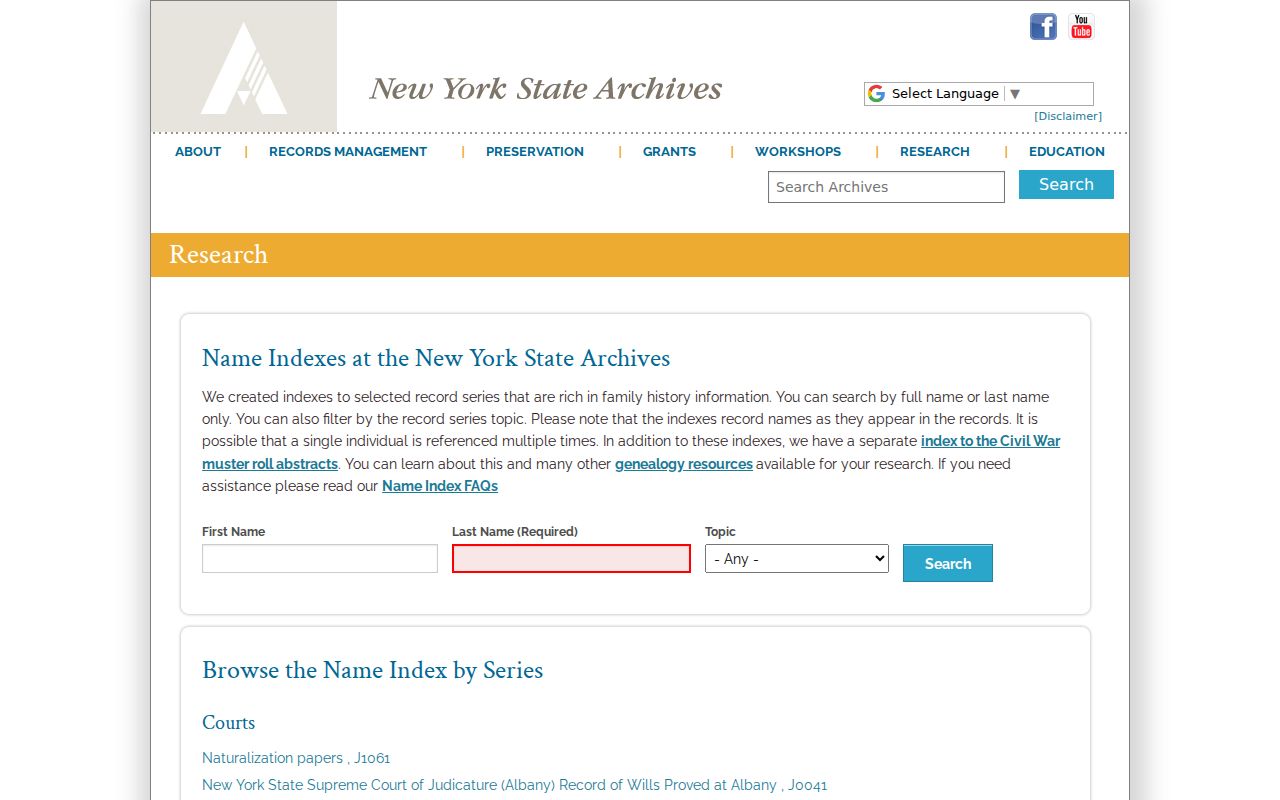
Use an archive index to identify a series or alternate spelling, then request a record from the actual custodian such as the Town Clerk, Department of Health, court, or archive named for that material.
Federal systems have different scope. PACER is an account-based federal docket service for the Northern District of New York and other federal courts, while the Federal Bureau of Prisons inmate locator concerns federal custody. Neither is a Schenectady County or Glenville resident list.
PACER's official entry screen helps distinguish a federal case route from local court records.
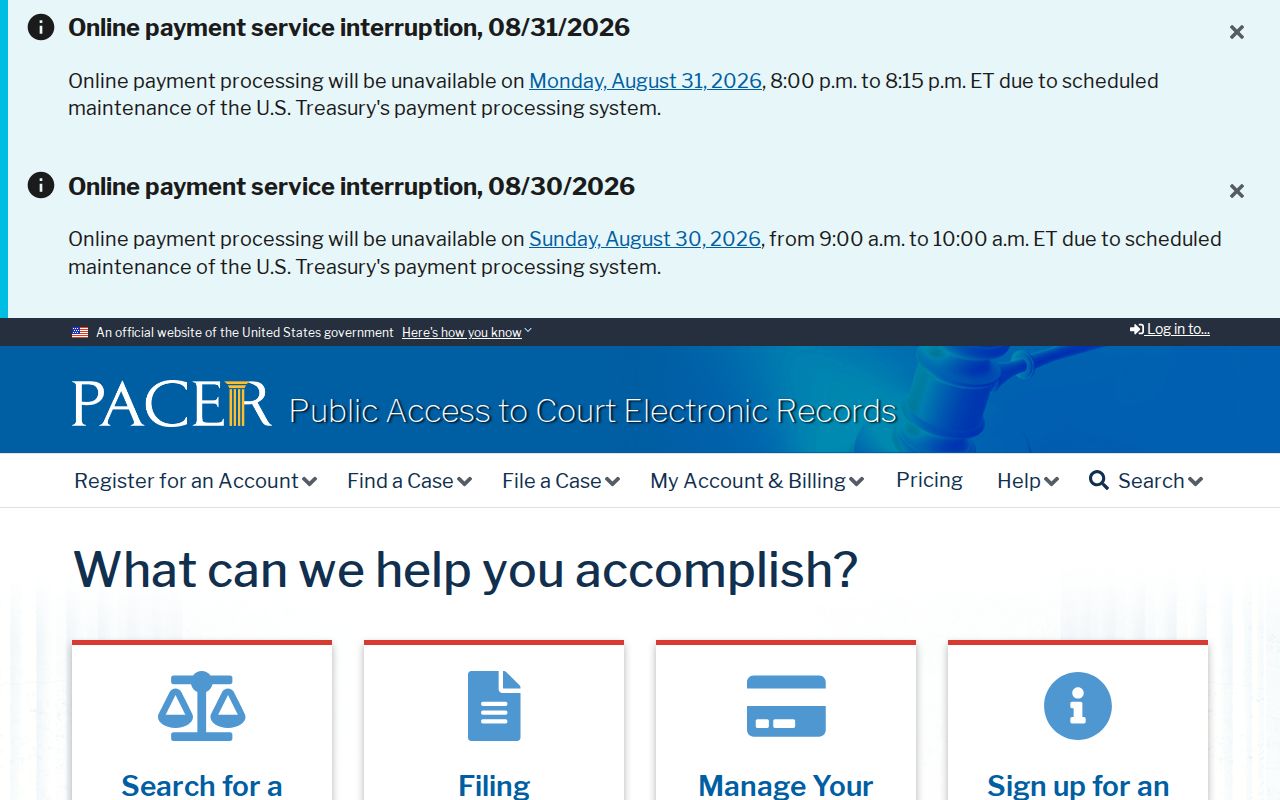
Federal docket access has account and current fee rules, so confirm those terms directly with PACER before obtaining records.
The Federal Bureau of Prisons inmate locator is likewise limited to its own custody system.
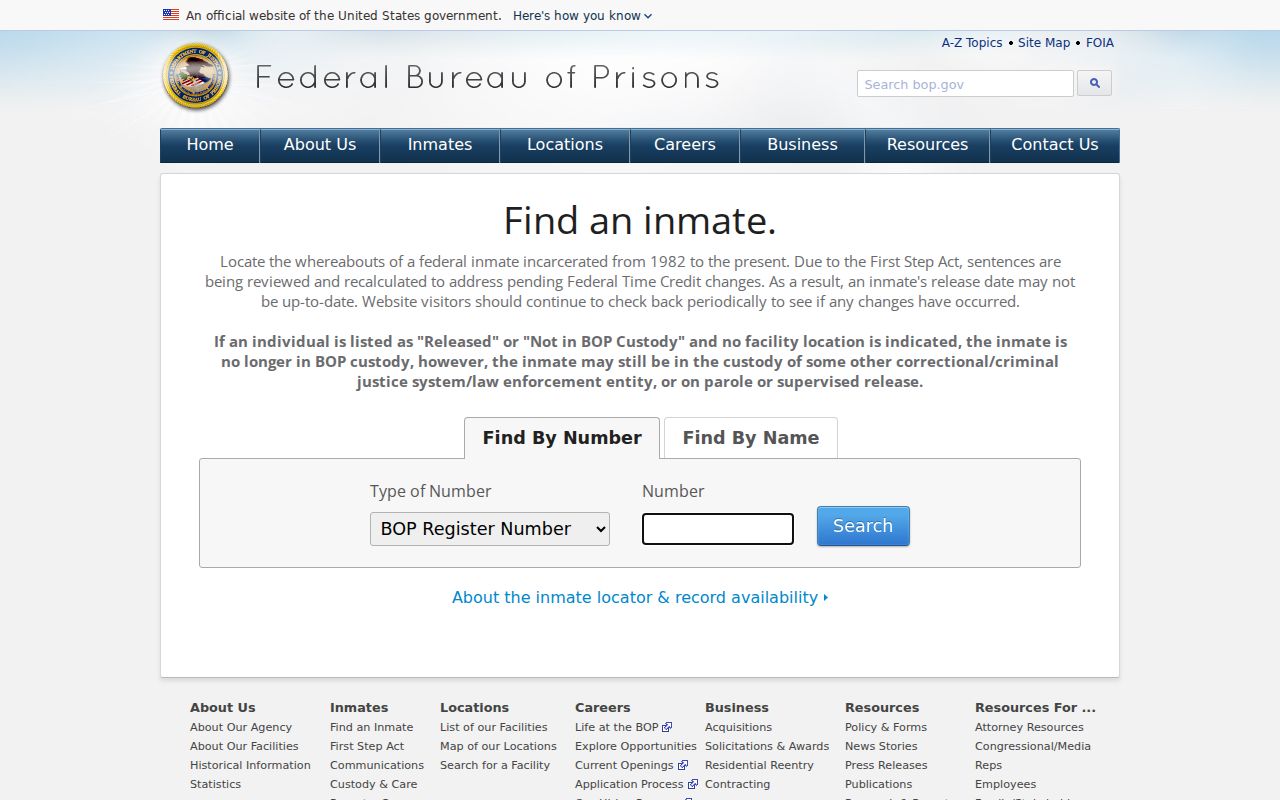
A federal locator result should be read only as a custody-system result and never as proof of a Glenville connection.
Glenville Resident Lookup State Records
State databases can verify a named record without proving residence. The New York Department of State entity database can show an entity's current name, organization date, jurisdiction, county, service address, status, and filing history. Its daily updates and older manual inactive files make the record useful for checking an organization, but a registered agent or service address is not automatically a home address.
The DOS license-name search accepts last name, first name, license type, county, city, and ZIP. It can confirm a license record and status; it is not a resident roll. The state's free unclaimed-property search also begins with a name or business name, but a claim requires proof and should never require payment to an intermediary.
Note: Service addresses, license locations, and unclaimed-property entries are leads that need independent Glenville record confirmation.
Limits on Glenville Resident Lookup
Public records do not provide every household connection. Private utility and delivery data, motor-vehicle information, sealed court and vital material, protected contact details, and confidential voter addresses are outside the ordinary public trail. The federal Driver's Privacy Protection Act restricts motor-vehicle personal information, so DMV data is not a shortcut from a name to an address.
New York's Address Confidentiality Program and confidential voter registration can protect an eligible person's actual location. Courts may also redact full birth dates, financial identifiers, addresses, phones, email, and minor-child information. A no-match is not proof that a person has no Glenville connection, and a record that seems wrong should be taken to the office that created it.
Lawful use. Use Glenville records for personal, lawful research, family history, estate questions, or checking a record. Never use public information to stalk, threaten, harass, track, or intimidate another person.
FOIL After a Glenville Resident Lookup
When an official portal does not expose the needed record, ask the custodian for the smallest defensible record set. New York's Freedom of Information Law, Public Officers Law Article 6, covers agency records subject to exemptions. A request should name the office, record type, address or other identifier, date range, and preferred delivery method. The Town Clerk can route town requests, while county records belong with the County Clerk, Board of Elections, or other county custodian.
Under the documented FOIL timing rule, an agency generally grants, denies, or acknowledges a written request within five business days. An acknowledgment should provide an approximate date, and routine paper copies are generally capped at $0.25 per page. FOIL does not override confidentiality rules for protected voter, court, vital, or private information. For historical material unavailable online, the Glenville Town Historian, SCPL, and Grems-Doolittle Library are practical in-person and appointment-based alternatives.